
How to Find a Grave Using a Death Certificate: A Real Case, Step by Step Review
A real case study: how we located a grave in Ukraine using only a death certificate — the archival search, the timeline, and why we don't ask for payment upfront.
grave search archival research
Not knowing exactly where a loved one is buried is more common than most people expect. Family records get lost over the decades, cemeteries change, relatives who knew the details pass away themselves, and sometimes the only document left is a death certificate — with no clear indication of where the actual burial took place.
This is the story of one such case: a client who came to us with nothing but a death certificate, and how we worked from that single document to confirm a grave's exact location.
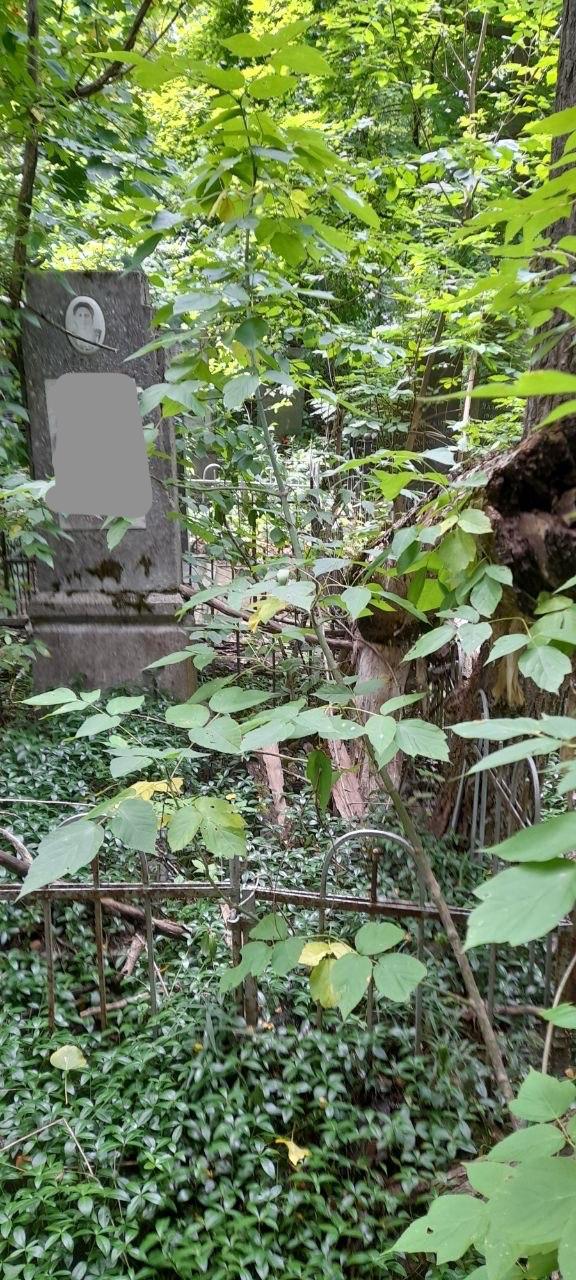
Can a grave really be found from a death certificate alone?
In many cases, yes — though not always quickly, and not always on the first attempt. This particular case ran just under two months from the first message to the final cleaning report. Here is what that time actually looked like.
Step 1 — What the Client Sent Us
The message came in Russian, short and direct: "All I have is a death certificate. Let me know if you can find the grave from it."
Beyond that: no cemetery name, no section or plot number, no recent photos, and no family members left who had visited the grave themselves. This is a more common starting point than people assume — it doesn't mean a search is hopeless. We told the client honestly: we could try.
Step 2 — Why We Didn't Ask for a Deposit Yet
At this stage, we genuinely didn't know whether we'd be able to locate the grave at all. So we didn't request any payment upfront. It didn't feel right to ask a client to pay before we had anything concrete to show for it — the search itself was still an open question, not a confirmed service.
Step 3 — Reading the Death Certificate for Clues
A death certificate usually contains more useful information than people realize. The full name, the date of death, and the place where the death was registered are typically the most useful starting points, since burial and registry records tend to be organized around them.
Step 4 — The Archival Search
From there, the work became a matter of cross-referencing records — going through relevant archives and registries, sending written requests, and following up on the responses that came back. We keep the specific institutions we work with general on purpose, since the right ones vary case by case and aren't always the same for every search.
This part of the process isn't instant. Some responses come back within days; others take weeks. Older records, in particular, are often not digitized, which means someone has to physically check them. In this case, it took more than a month of back-and-forth before we had a specific cemetery and section to work with.
Step 5 — Confirming the Coordinates
Once we had a specific location, we contacted the client with what we'd found. Only at this point — once there was something concrete to act on — did we request a small deposit before scheduling a site visit. It made sense to formalize the next step now that there was an actual place to go and verify.
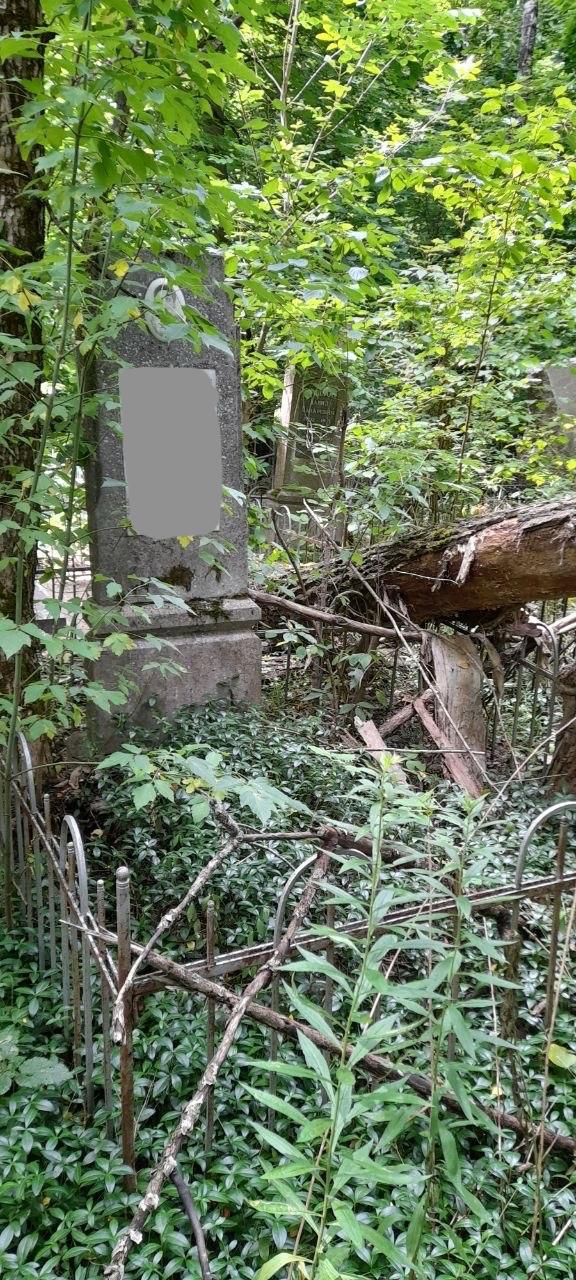
Step 6 — Verifying the Grave Onsite
Records and reality don't always match perfectly, so the first thing we did at the cemetery was confirm that the grave was actually there, and that the details on-site matched the record — name, dates, and location — before doing anything else.
Step 7 — Cleaning, and a Fallen Tree We Hadn't Expected
Once the grave was confirmed, we found that a tree nearby had fallen — something neither of us knew about beforehand. We went ahead with the cleaning that had already been agreed with the client, and separately gave a price for removing the tree as its own quoted job, rather than folding it into the visit unannounced. We need a special equipment and allocate more time for it.
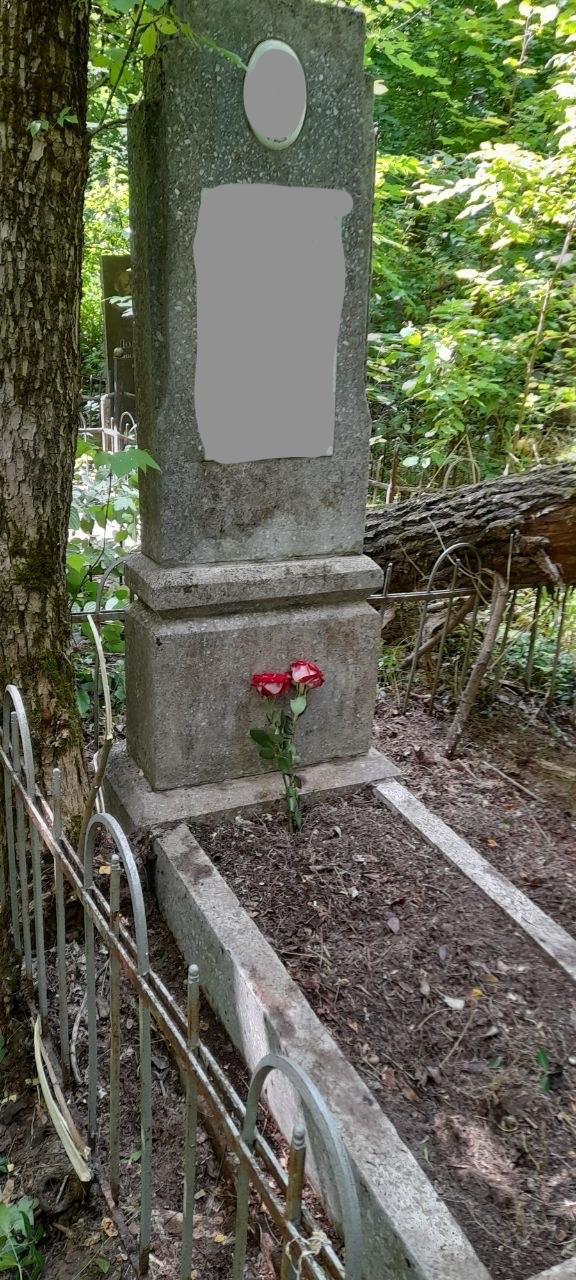
Step 8 — Final Payment After the Work Was Done
Only after the cleaning was complete, and the before-and-after photos, the report, and the grave's coordinates were sent, did we request the remaining balance.
What This Case Says About How We Work
Searches like this take patience and cooperation — this one ran just under two months from the first message to the final report, and some take longer. But the client wasn't asked to take on financial risk while the outcome was still uncertain. Payment followed each confirmed step, not the other way around: no deposit until there was a lead worth pursuing, and no final payment until the work was actually done.
By the end, the client could finally see the grave — photos, coordinates, a cemetery that was actually clean — and told us they were relieved and glad to finally be able to look after it going forward. We're sincerely interested in relationships like that lasting, not just in closing one job.
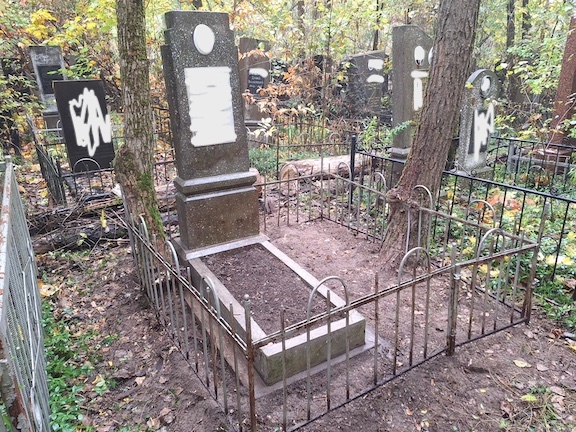
Update from Autumn 2026
Frequently Asked Questions
I only have a death certificate — no cemetery, no location. Can you still help?
Often, yes. A death certificate alone is frequently enough to begin a search. Send us what you have, and we'll tell you honestly whether we think it's realistic before anything is agreed.
How long does a search like this usually take?
It varies. The archival part alone took over a month in this case; the whole process, from the first message to the final cleaning report, wrapped up in just under two months. It depends on how complete the available records are and how quickly archives and registries respond.
What if the archives don't lead to an exact location?
That wasn't the situation in this particular case — the archival search alone gave us a specific cemetery and section. But it's a common enough question to answer in detail, since not every case works out this way.
When archives alone won't get us to an exact spot, the usual next step is an in-person search: going to the cemetery itself and checking markers and records on foot. For situations like that, the arrangement works differently than a standard cleaning order. We ask the client to cover our actual costs — travel, and anything else tied directly to the search — not a fee on top of them. We send proof along with it: photos from the city and the cemetery, receipts, so the client can see this is real time spent on the ground, not someone sitting at a desk answering emails. We don't earn anything on the expenses themselves.
What we do agree on upfront, in cases like that, is a fixed price for the result — a successful search and a confirmed grave. That keeps the client's risk limited, roughly, to the cost of the trip itself, whatever that turns out to be for a given location. And it keeps us motivated to actually find the grave: we only get paid for the result if we deliver it.
Will I be charged if the grave can't be found?
Every case like this is reviewed individually before we ask for anything. If you reach out with a death certificate and little else, we'll be upfront about whether a search is likely to succeed before requesting any payment.
If You're Trying to Locate a Grave
If you have a death certificate and little else to go on, that's often enough to start. Contact us with what you have, and we'll let you know honestly what we think is possible before anything is agreed or any payment is requested.